
Beach Fitness Hacks: Low-Impact Workouts That Transform Coastal Health
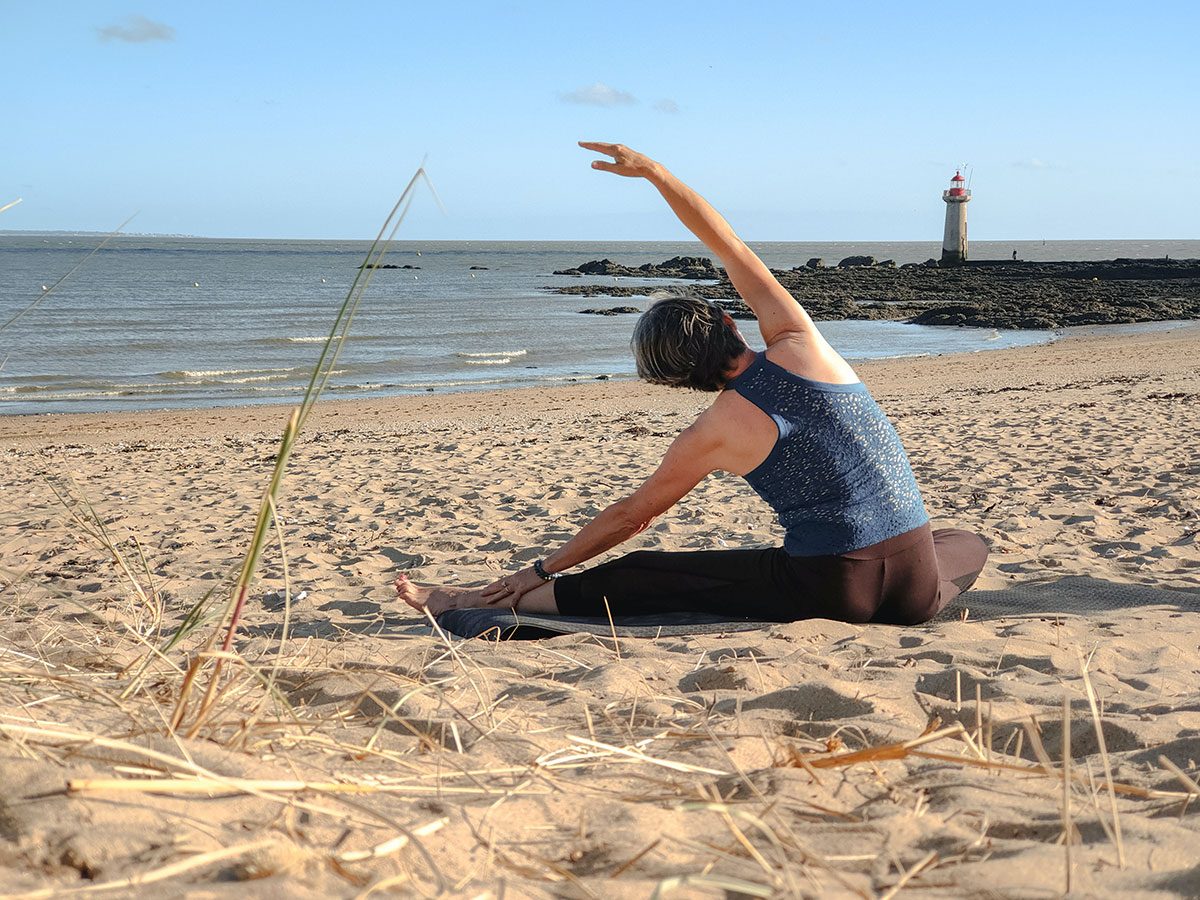
Nothing beats the feeling of salty air, soft sand beneath your feet, and waves gently rolling in as your workout soundtrack. But beyond the scenic views, exercising at the beach offers unique health benefits—especially for those seeking low-impact, joint-friendly workouts. Whether you’re recovering from an injury, easing into a new routine, or simply wanting to protect your knees and back, the beach is nature’s ultimate gym.
Below, we explore how to make the most of your coastal surroundings with practical beach fitness hacks that enhance strength, mobility, and well-being—all without the strain of high-impact exercise.
The Science Behind Beach-Based Fitness
Sand changes everything. Its natural instability forces your muscles to work harder with every step, whether you’re walking, jogging, or doing balance movements. At the same time, it cushions joints and absorbs impact, reducing stress on knees, hips, and ankles.
This combination—resistance plus softness—builds real strength and endurance without the wear and tear common in hard-surface workouts. Even short sessions can produce remarkable improvements in coordination and muscle tone, as well as cardiovascular health.
Bonus: Exercising near the ocean enhances mental clarity. The rhythmic sound of waves triggers relaxation responses in the brain, helping regulate stress and cortisol levels.
Essential Beach Fitness Hacks for Low-Impact Success
Low-impact doesn’t mean easy—it means sustainable. The key is mixing functional movement with mindful pacing. Try integrating these science-backed exercises to build an effective coastal fitness routine.
1. Barefoot Beach Walks
Walking on sand engages your calves, hamstrings, and stabilizing muscles in your feet. It also naturally improves balance and posture. Start with wet sand for more stability, then progress to dry sand as your muscles strengthen.
Tip: Alternate between slow, mindful walking and brisk intervals to raise your heart rate without stressing your joints.
2. Standing Core Sculptors
Use the beach’s uneven terrain to your advantage. Stand with feet hip-width apart and perform slow, controlled torso rotations, knee lifts, or side bends. The soft surface amplifies your core engagement, improving balance and posture across your entire body.
To level up, hold a small resistance band or water bottle in each hand as light weights.
3. Water-Resistance Training
Waist-deep water is ideal for low-impact resistance workouts. The ocean offers up to 12 times more resistance than air, allowing you to strengthen muscles without heavy weights.
Try gentle front kicks, leg circles, or arm sweeps under water. Each movement tones muscles while protecting joints from strain.
4. Yoga or Stretch Flow on the Shore
Set up a towel or mat during sunrise or sunset for an oceanside yoga session. Poses like Warrior II, Tree Pose, and Downward Dog become more challenging yet soothing when your feet sink slightly into the sand.
Deep breathing aligned with the sound of waves helps reduce anxiety and fatigue, leaving you refreshed for the rest of the day.
5. Beach Circuit Intervals
For a balanced, full-body session, create a rotating circuit using short, low-impact bursts:
- 30 seconds of walking lunges on wet sand
- 20 mountain climbers on your towel
- 15 standing squats or hip hinges
- 45 seconds of water walking
Repeat for 3–5 rounds depending on your fitness level.
Hydration and Coastal Recovery Tips
Sun, sea, and sweat mean dehydration can sneak up on you faster than you expect. Always bring plenty of water, fresh fruit, and snacks that help replenish energy. Consider using a Cordova ice chest to keep drinks cold and nutrient-packed food fresh throughout your beach session.
Post-workout, rinse with seawater to refresh tired muscles. The salt minerals—especially magnesium—can help reduce inflammation and improve recovery. Then stretch while enjoying the ocean breeze to prevent soreness.
The Mind-Body Benefits of Coastal Workouts
Exercising near water triggers measurable psychological benefits. Studies show that “blue space” environments—areas where water meets open sky—enhance concentration, creativity, and overall emotional well-being. The beach also fosters mindfulness naturally. You’re more likely to slow down, breathe deeper, and stay present.
Combined with the meditative rhythm of waves, these moments of calm can help regulate mood and sleep cycles. Regular beach workouts may also boost vitamin D levels, strengthen your immune system, and encourage more consistent outdoor activity habits—all key for long-term health.
Sustainable Beach Fitness Practices
To keep your beach routine responsible and eco-conscious:
- Avoid trampling dunes or disturbing marine life.
- Use reef-safe sunscreen and biodegradable products.
- Clean up after your workouts—leave only footprints.
- Practice mindfulness for environmental preservation as part of your holistic wellness.
These steps ensure your personal transformation aligns with the well-being of the coastal ecosystem that supports it.
Turning the Coastline Into a Health Sanctuary
Your local beach is more than a backdrop—it’s a living, breathing wellness destination. With consistent low-impact movement, hydration, and mindful recovery, you’ll harness nature’s most restorative gym.
Whether you’re doing sunrise stretches or sunset water walks, every session is a reminder that fitness doesn’t have to be extreme to be transformative. The beach invites balance, gentle strength, and pure joy in motion—a combination that nurtures both body and mind.

